§1 · What correct looks like
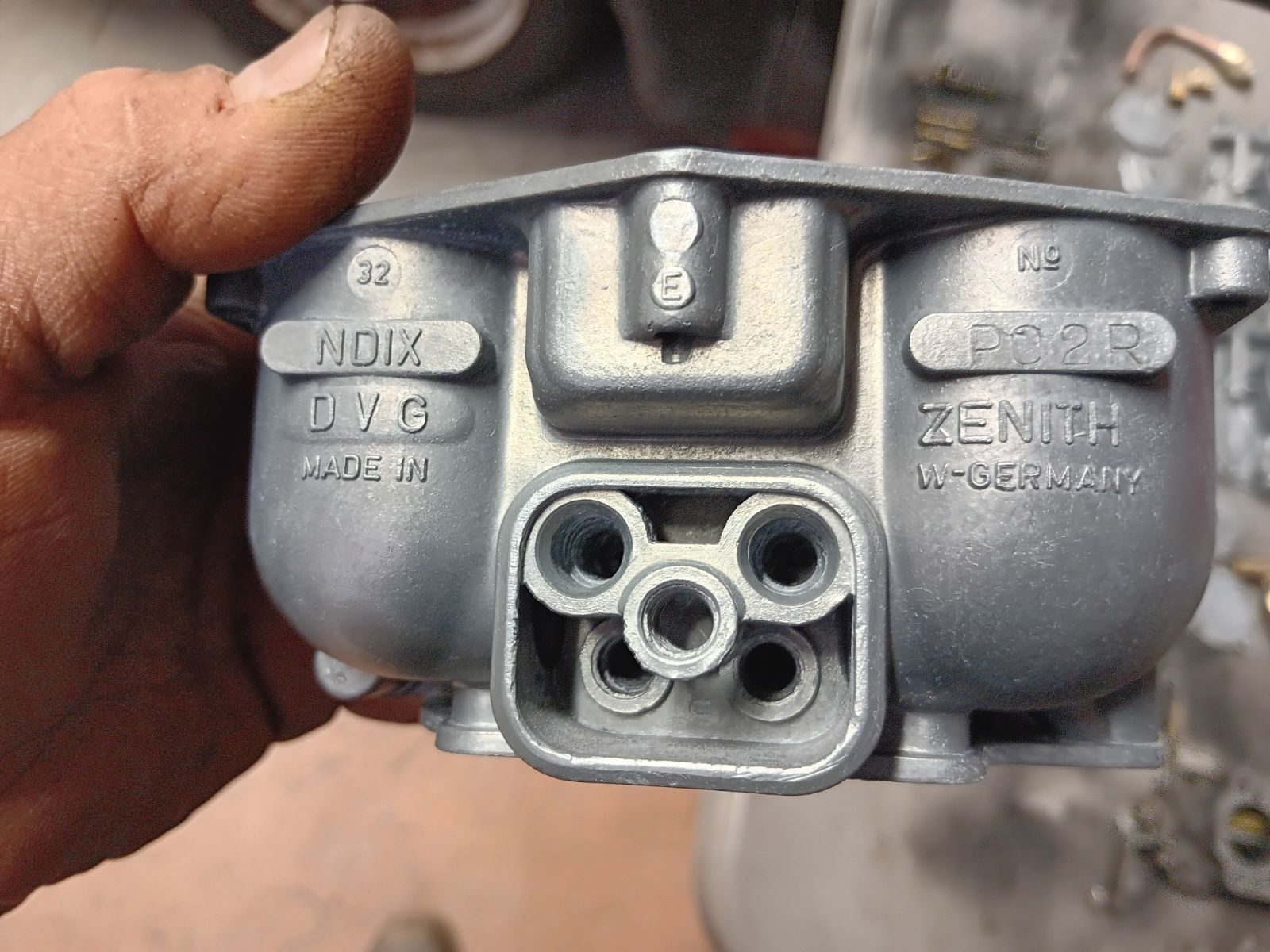
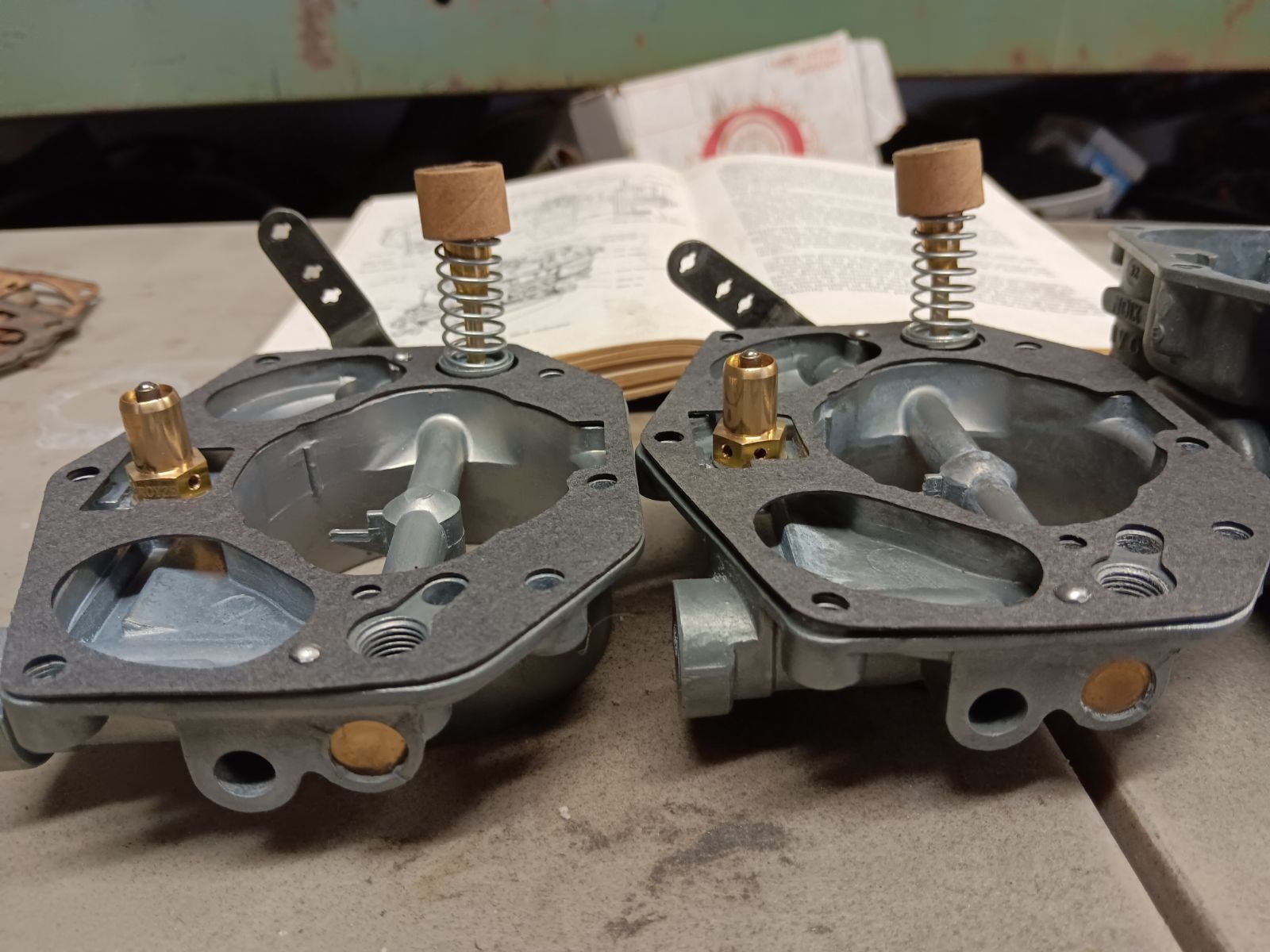
The Zenith 32 NDIX is a dual-throat downdraft carburetor; a 356A Super carries a pair. The castings carry Zenith and NDIX markings — ours are stamped ZENITH W-GERMANY with the NDIX designation on the body.
§2 · The kit
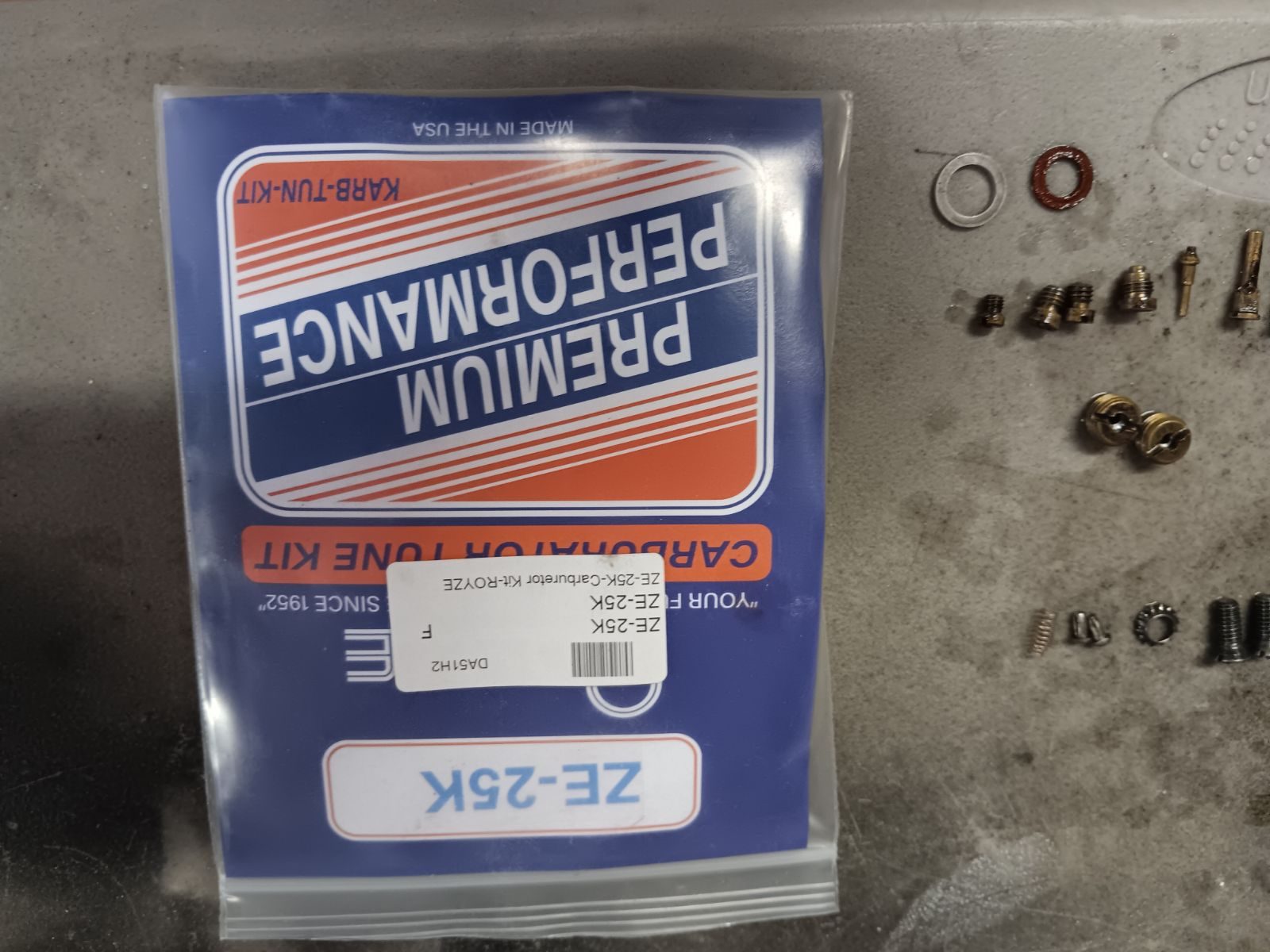
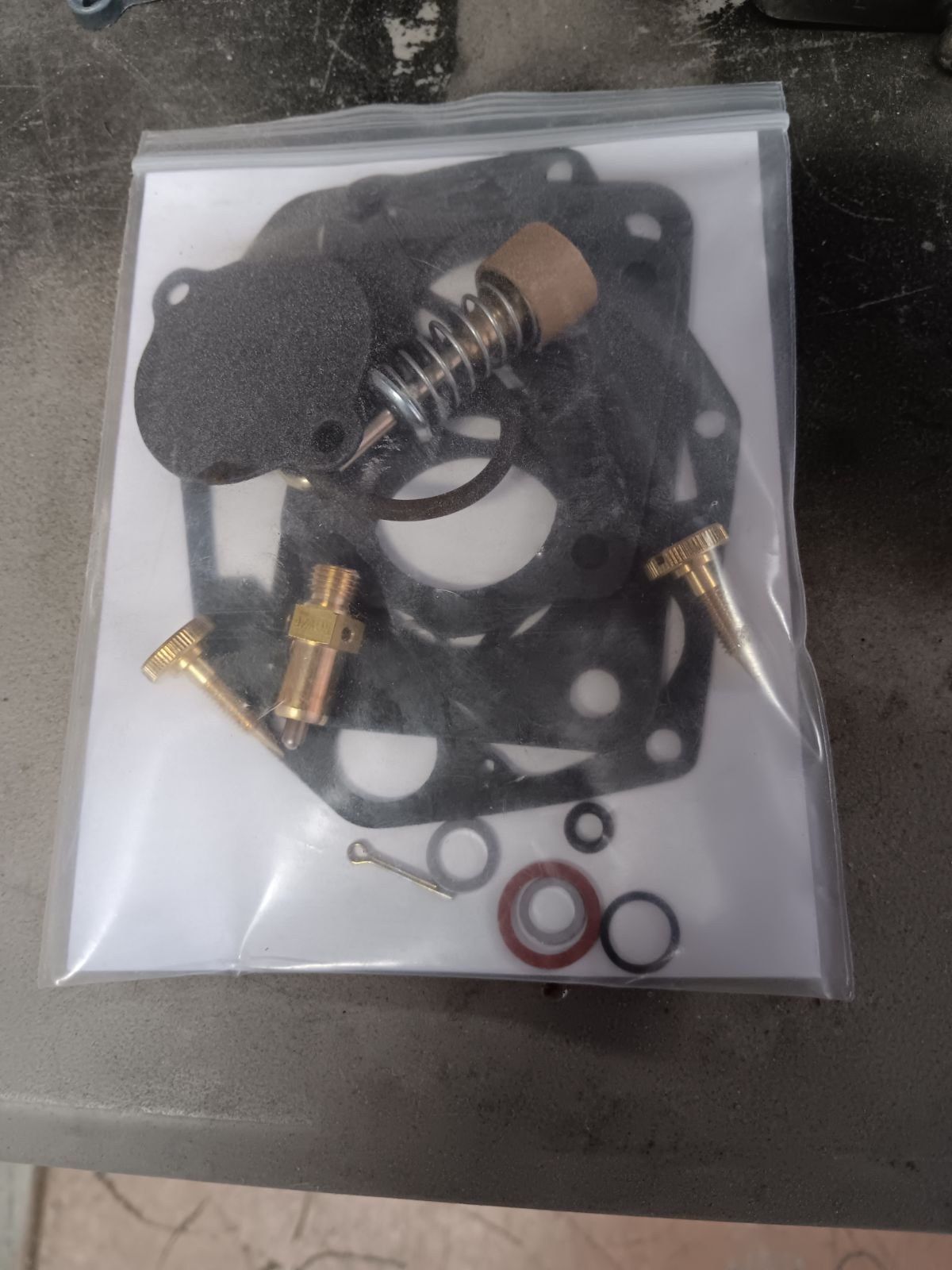
One ZE-25K kit per carburetor: gaskets, seals, diaphragm, and replacement hardware. Lay out the kit contents against the instruction sheet before touching the carbs, so you know what’s being replaced and what must survive disassembly intact.
§3 · Teardown — layout discipline is the whole game
The single most valuable habit in a carb rebuild costs nothing: lay every jet, screw, and small part out in disassembly order, and photograph the layout before cleaning anything. Jets look alike; they are not. A swapped idle jet between throats will chase you for weeks as a mystery flat spot.
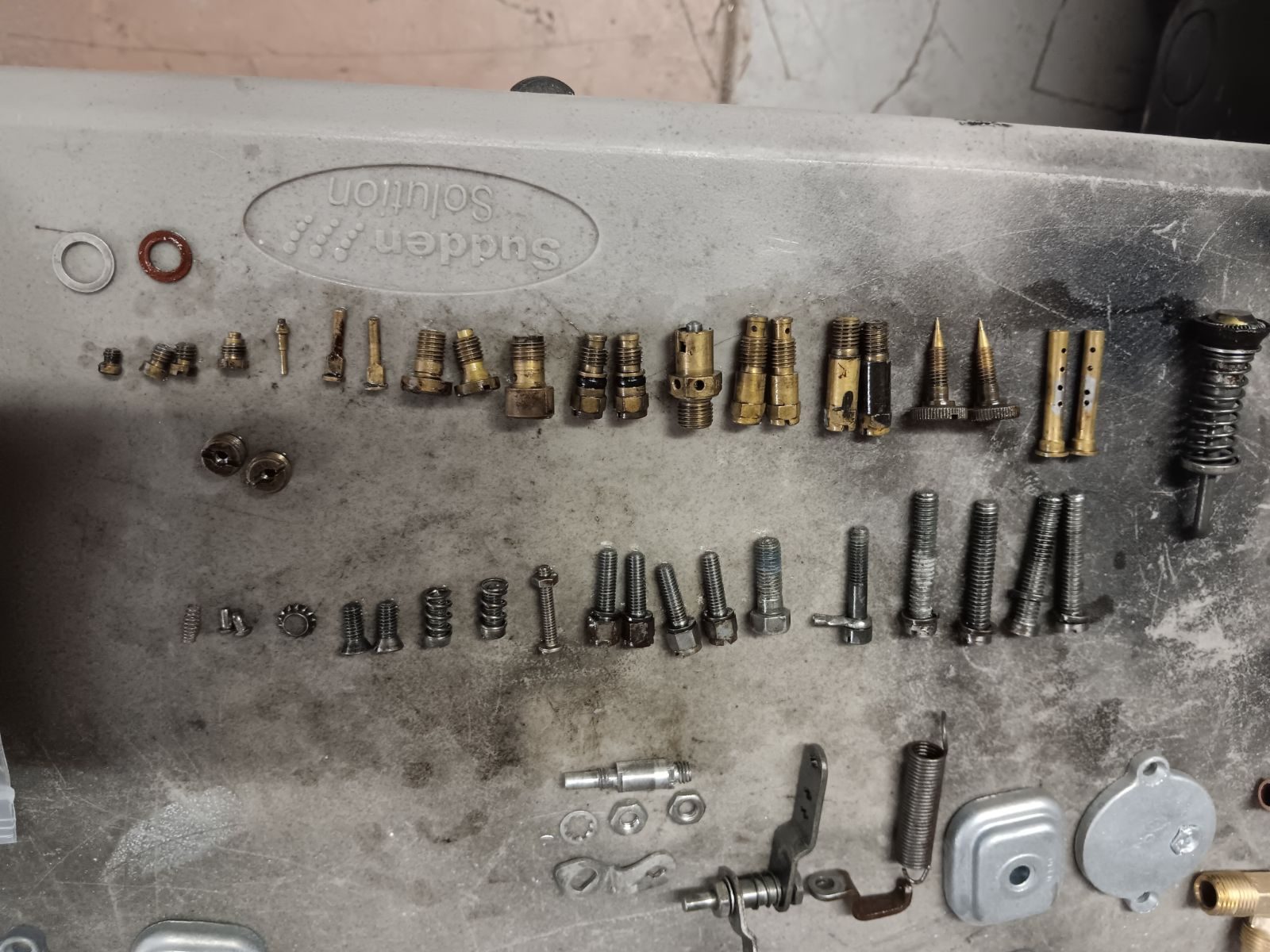
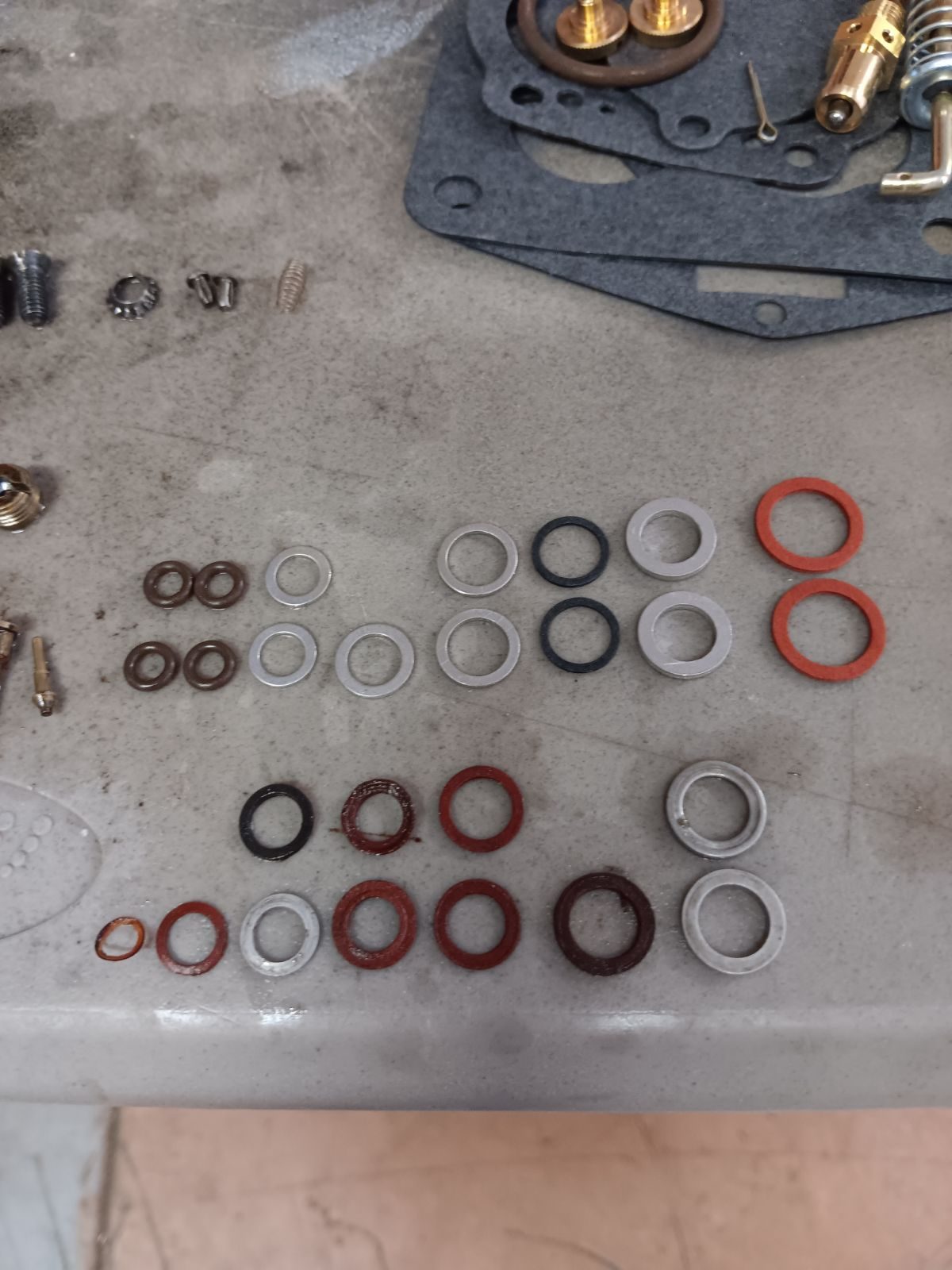
While everything is apart, record the jet sizes stamped on each jet — that’s your carb’s actual specification, which may or may not match the book spec for the engine. Ours are recorded in the build ledger.
§4 · Cleaning & reassembly
Castings get cleaned to bare, bright metal — passages blown through, no polishing compound anywhere near a fuel path. Reassembly follows the layout photos in reverse, new seals and gaskets from the kit throughout, old parts retained and bagged as the reference set.
§5 · What this guide doesn’t cover yet
Bench synchronization, final jetting for the 1600 Super, and on-car tuning happen when the engine goes back into a driving car — that’s a later phase for the shop car, and this guide gains those sections then. Jetting specs will be published with their sources when they’re verified, not before.
§6 · First start
The reason this guide exists: the engine firing on these rebuilt carburetors, for the first time in over fifty years.
Carburetor rebuild kit, Zenith 32 NDIX (per carb)
Where this guide comes from
- Shop car 1959 356A 1600 Super, VIN 108689 — both carbs rebuilt with ZE-25K kits; engine runs
- Supplier ZE-25K kit contents and instructions
- Forum 356 Registry / Pelican 356 Technical — NDIX rebuild threads (synthesis in progress; citations to be added)