Provenance — what the documents say
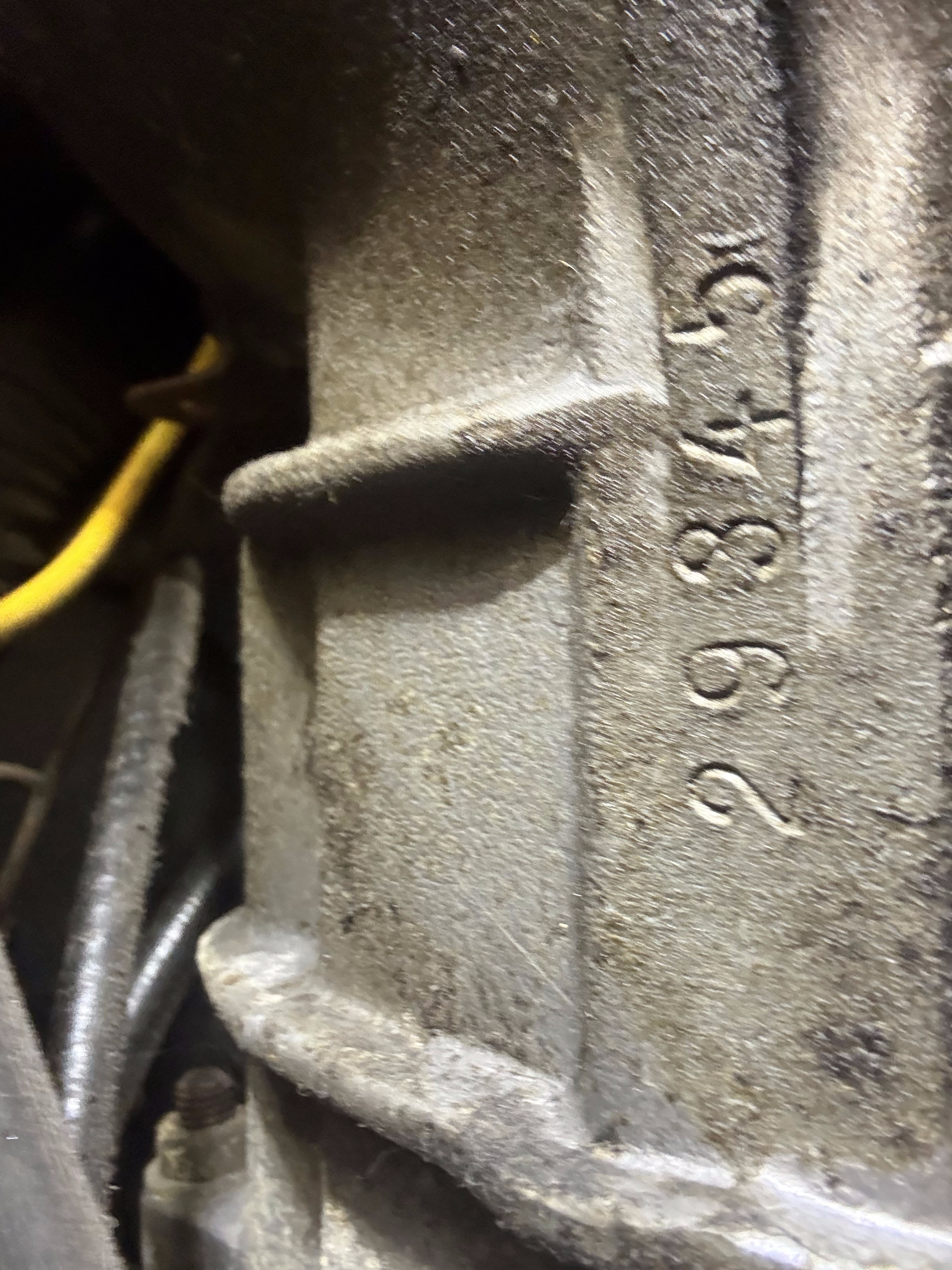
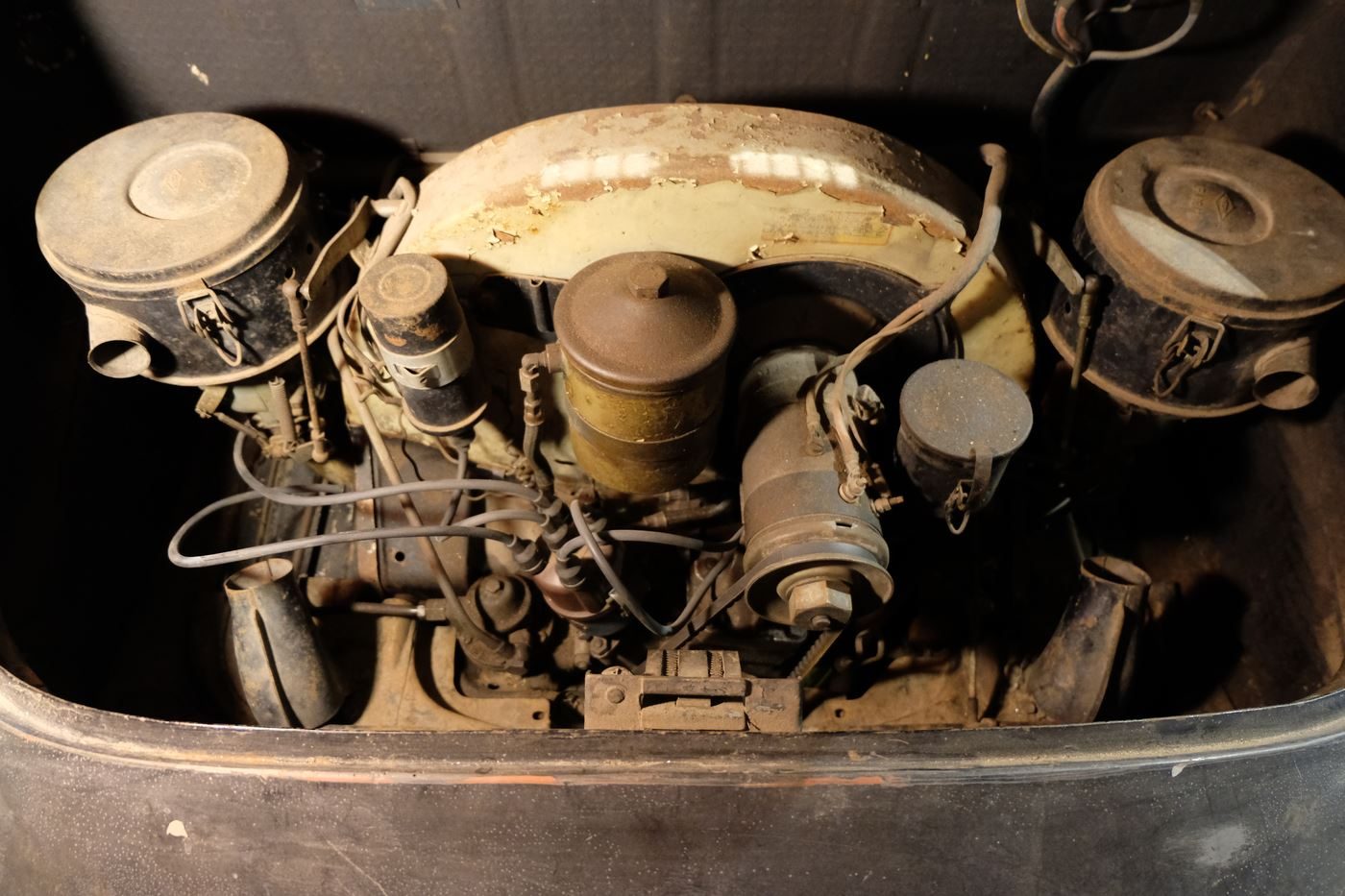
The factory Kardex records engine number 84 578 — matching the P84578 stamped on the case — with transmission 29 345, Fjord Green (fjordgrün) paint, and beige leatherette (Kunstleder) interior. The car was delivered on 4 August 1959 through Hoffman in New York, on Phönix tires with US bumpers. The Reutter body plate carries 108689 and the paint tag reads Farbton R 705. A Texas title issued in Houston in January 1974 brackets the start of its long storage.
How it survived — the family story
The fullest account of this car's fifty years comes from the family that kept it. The previous owner — who inherited the car and later sold it to Rusty — posted the story to the 356 Registry forum when he introduced himself to the community. It's reproduced here in summary, with his account as the source.
The car had been in his family since his father was a small boy — his father was born in 1968, so the car predates him. His father grew up sitting behind the wheel pretending it was a racecar. His grandfather, a lifelong machinist in Needville, Texas, was — in the family's words — a man who "could fix anything, and he tried." That drive led him to collect hundreds of projects over his lifetime, this 356 among them.
His grandparents divorced early, and his father didn't see his own dad from age 8 to 14. When he came back to Texas at 14, the 356 was still there, still running, parked in the machine shop. He spent summers there through age 18. Sometime around 1985 the car stopped running and was permanently parked — it had originally been promised to him.
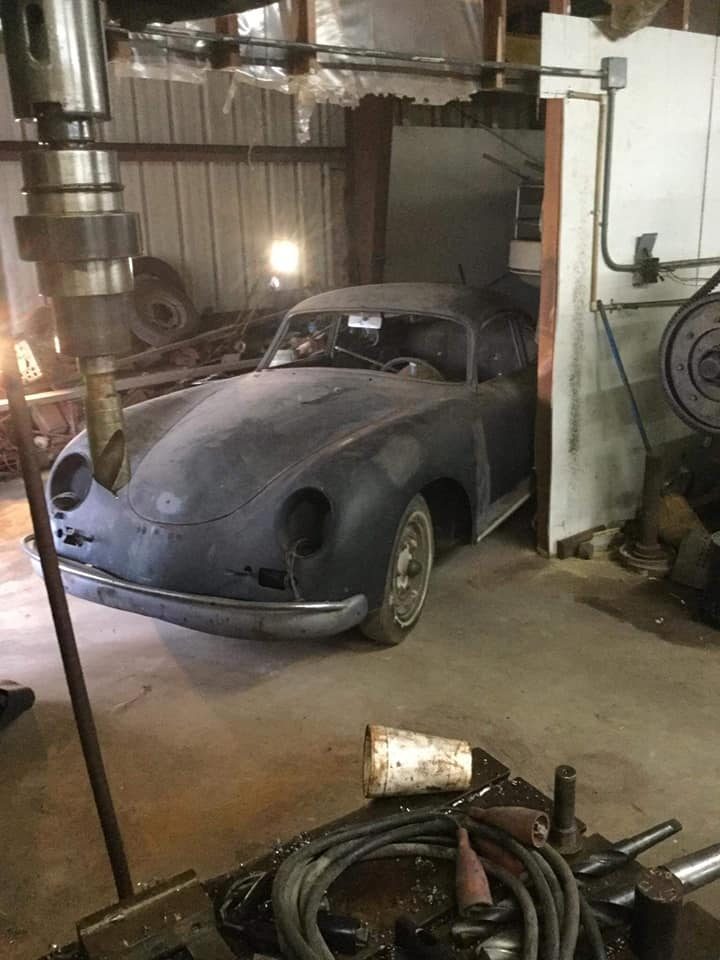
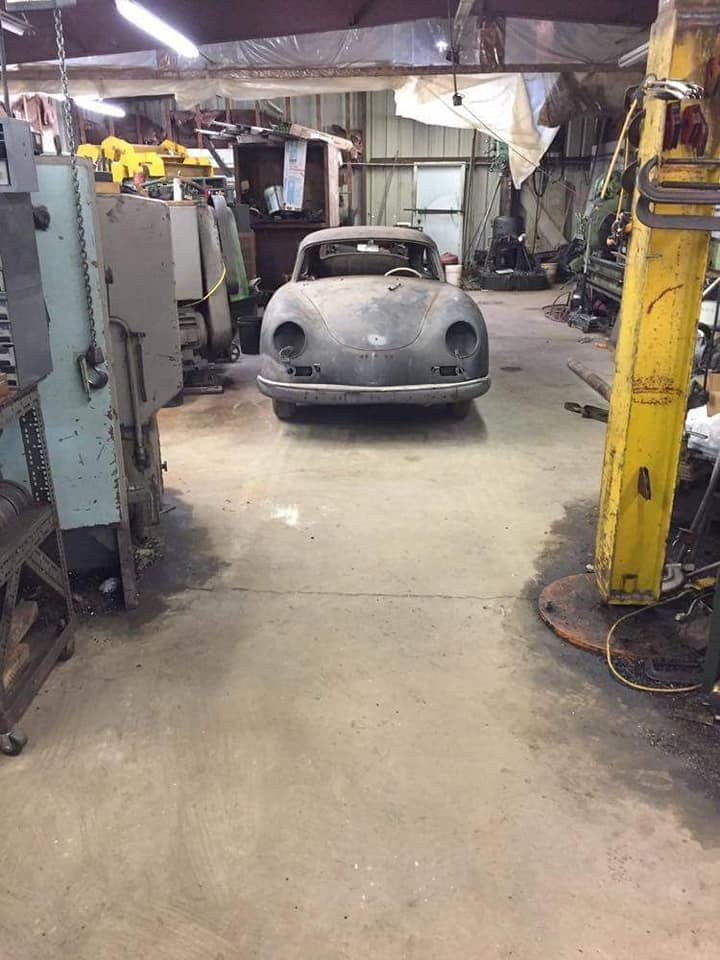
After it stopped running, the grandfather decided — on a friend's advice — that the car would look better in black, and repainted it over its factory Fjord Green. He stripped it down for a full restoration, leaving only the bumpers, drivetrain, and wheels on the car. Then, as happened with many of his projects, he lost interest, and it sat stripped in the back of the shop for years.
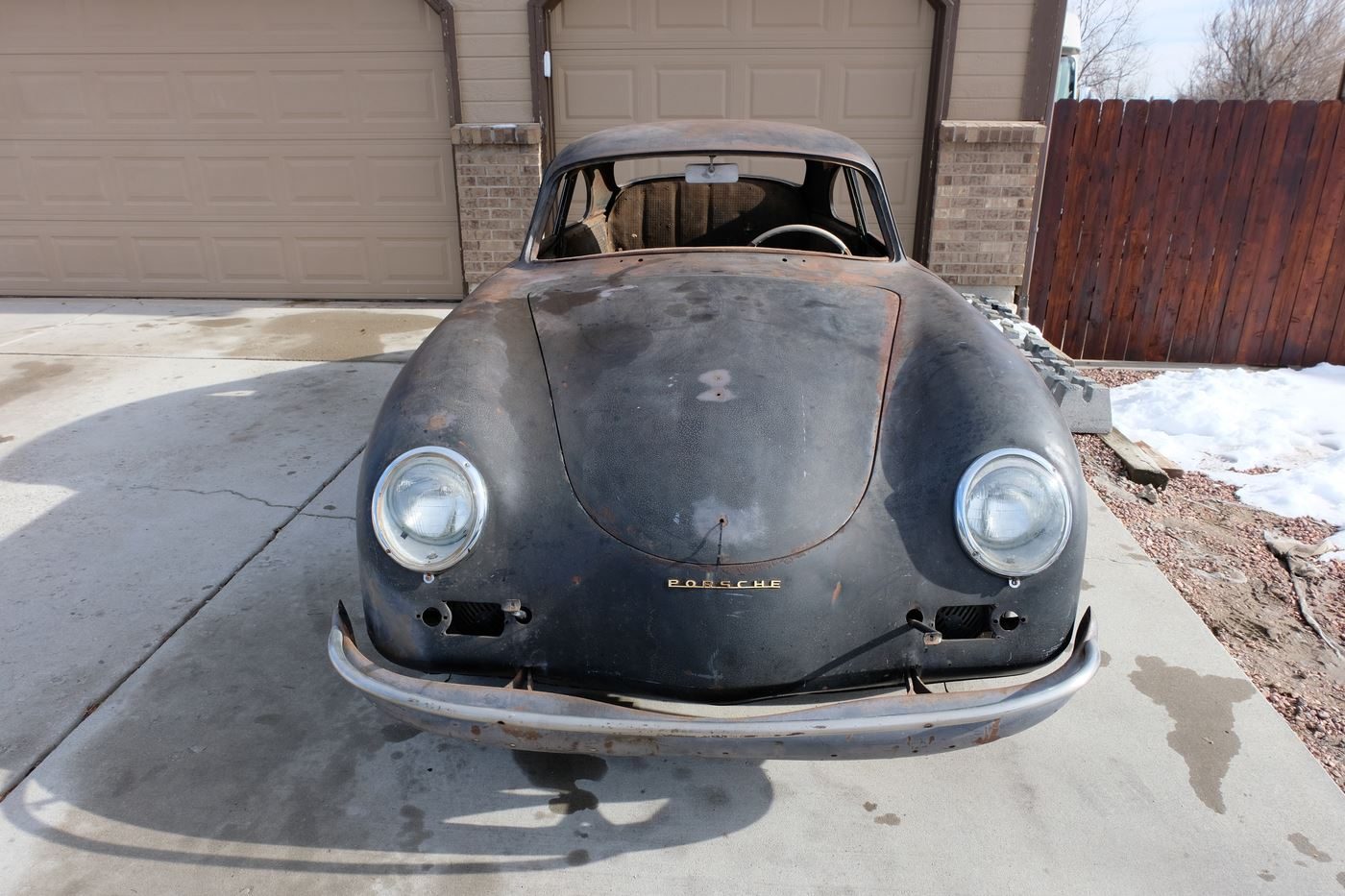
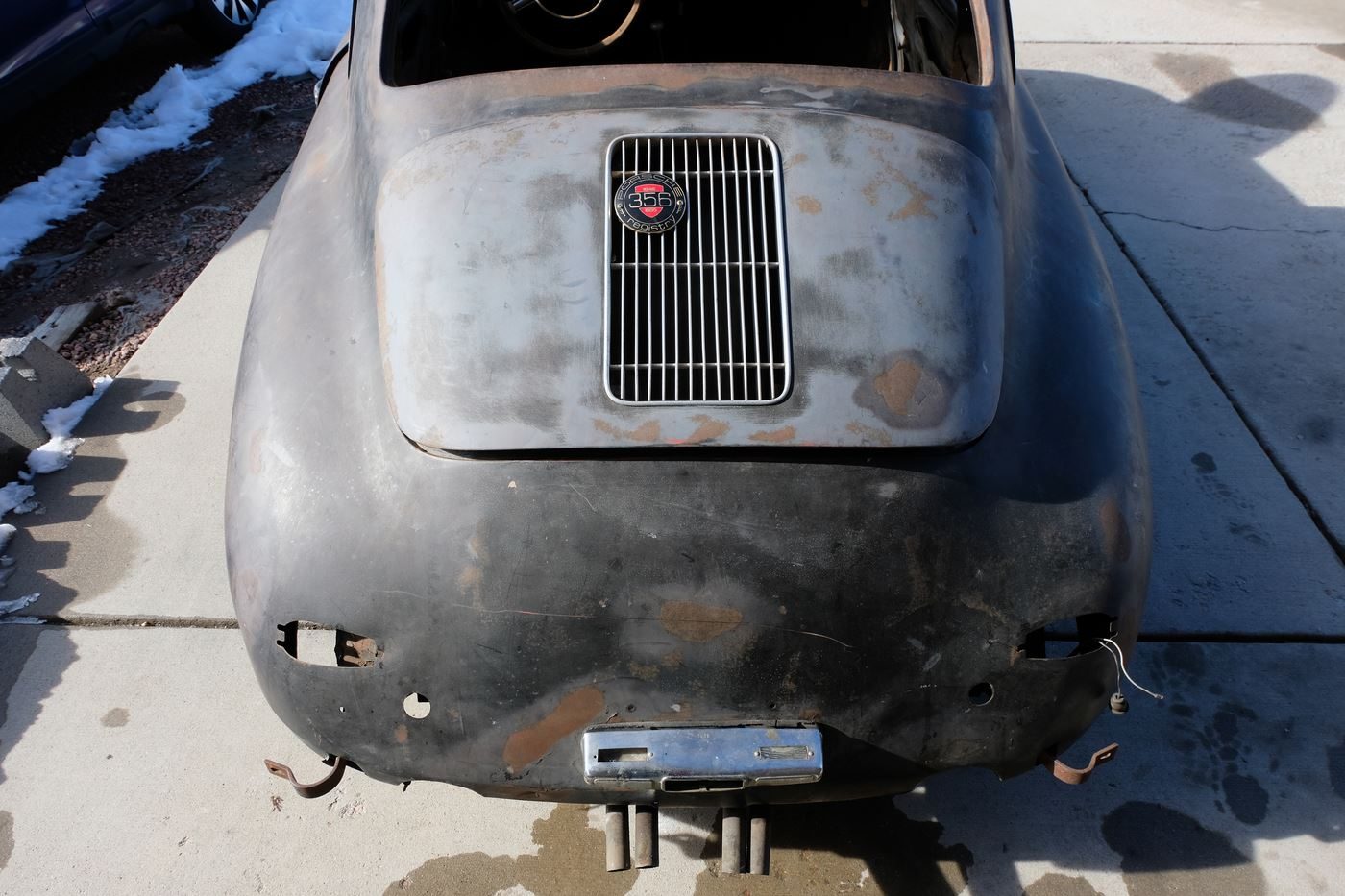
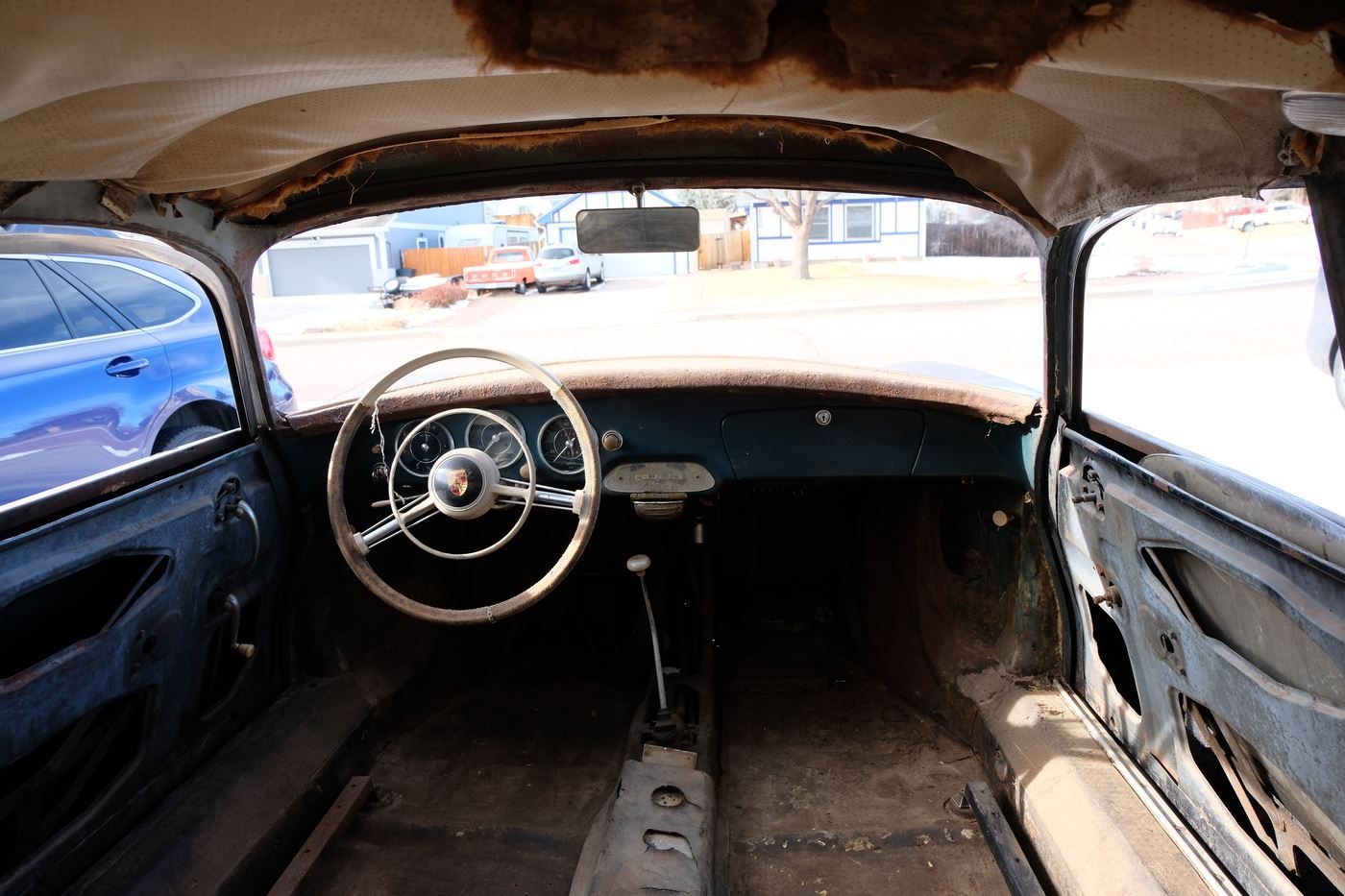
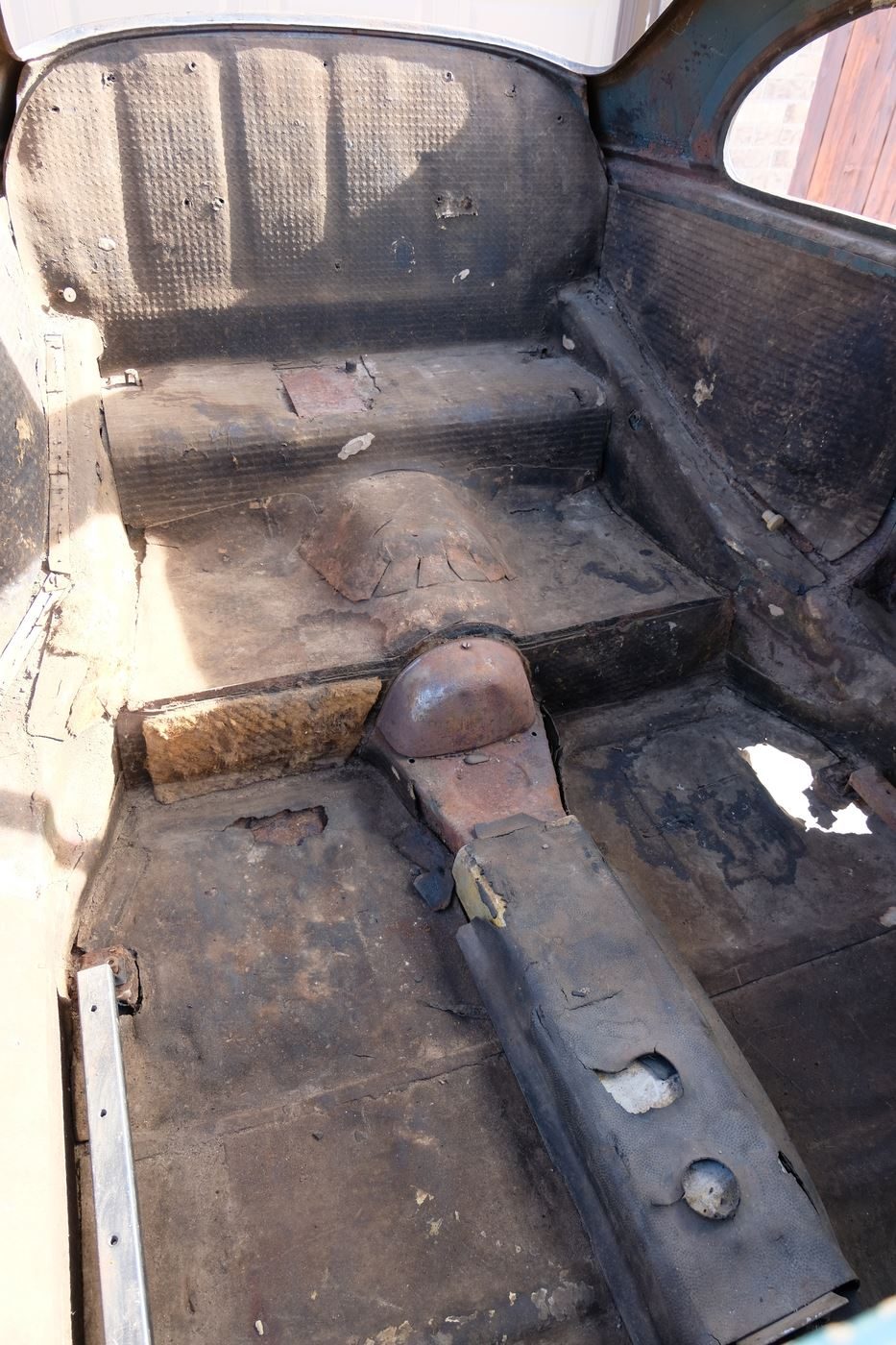
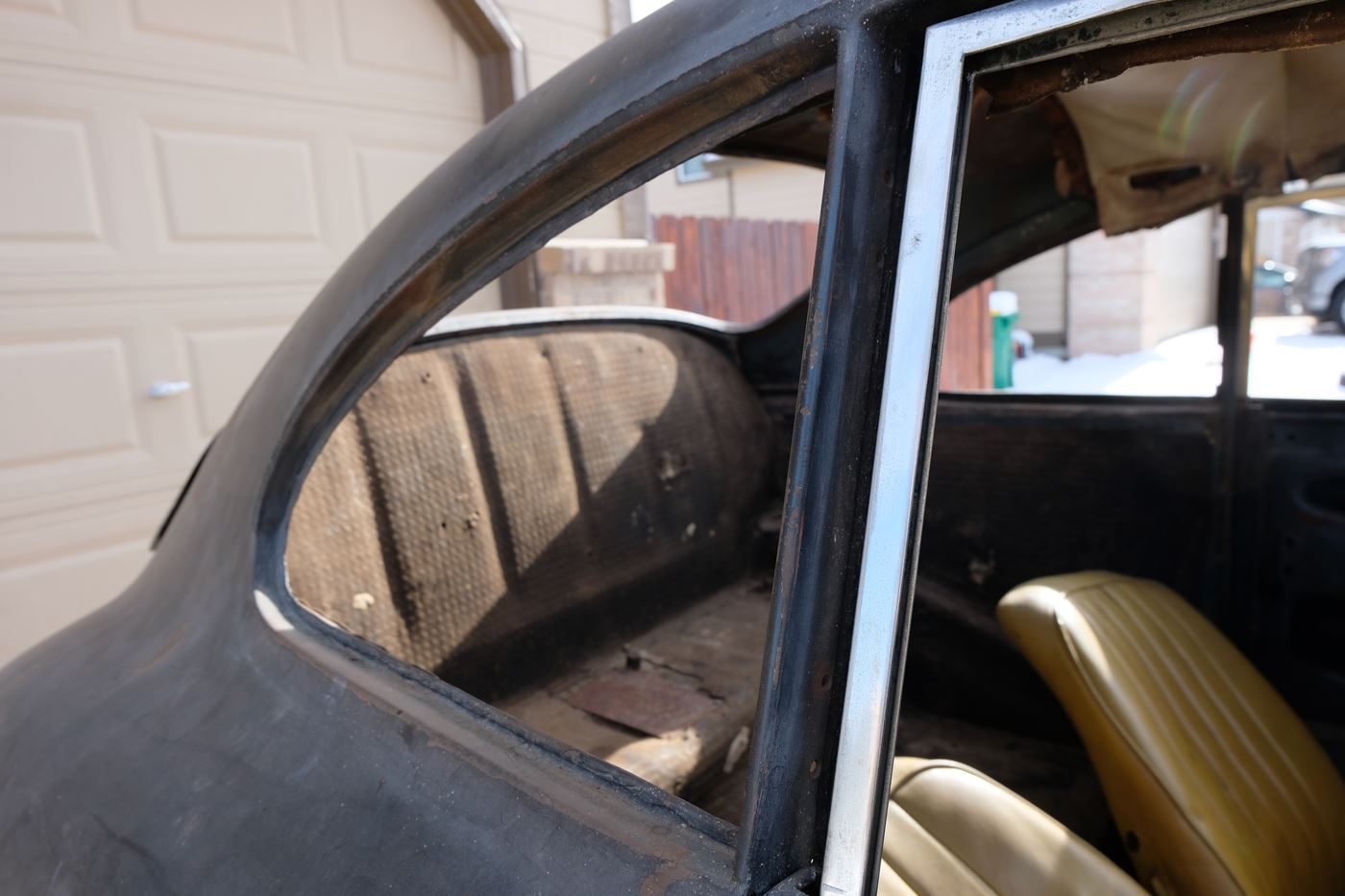
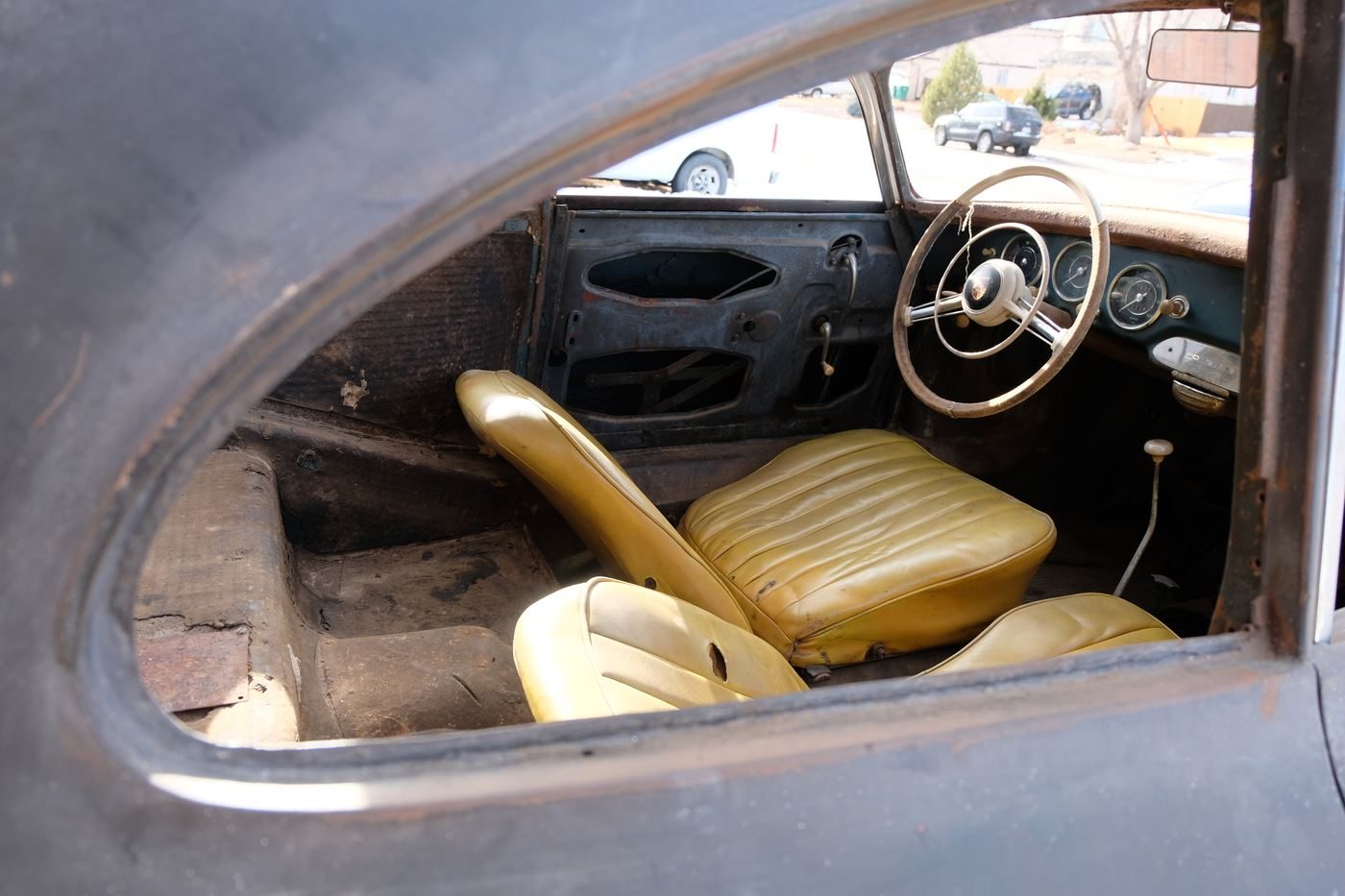
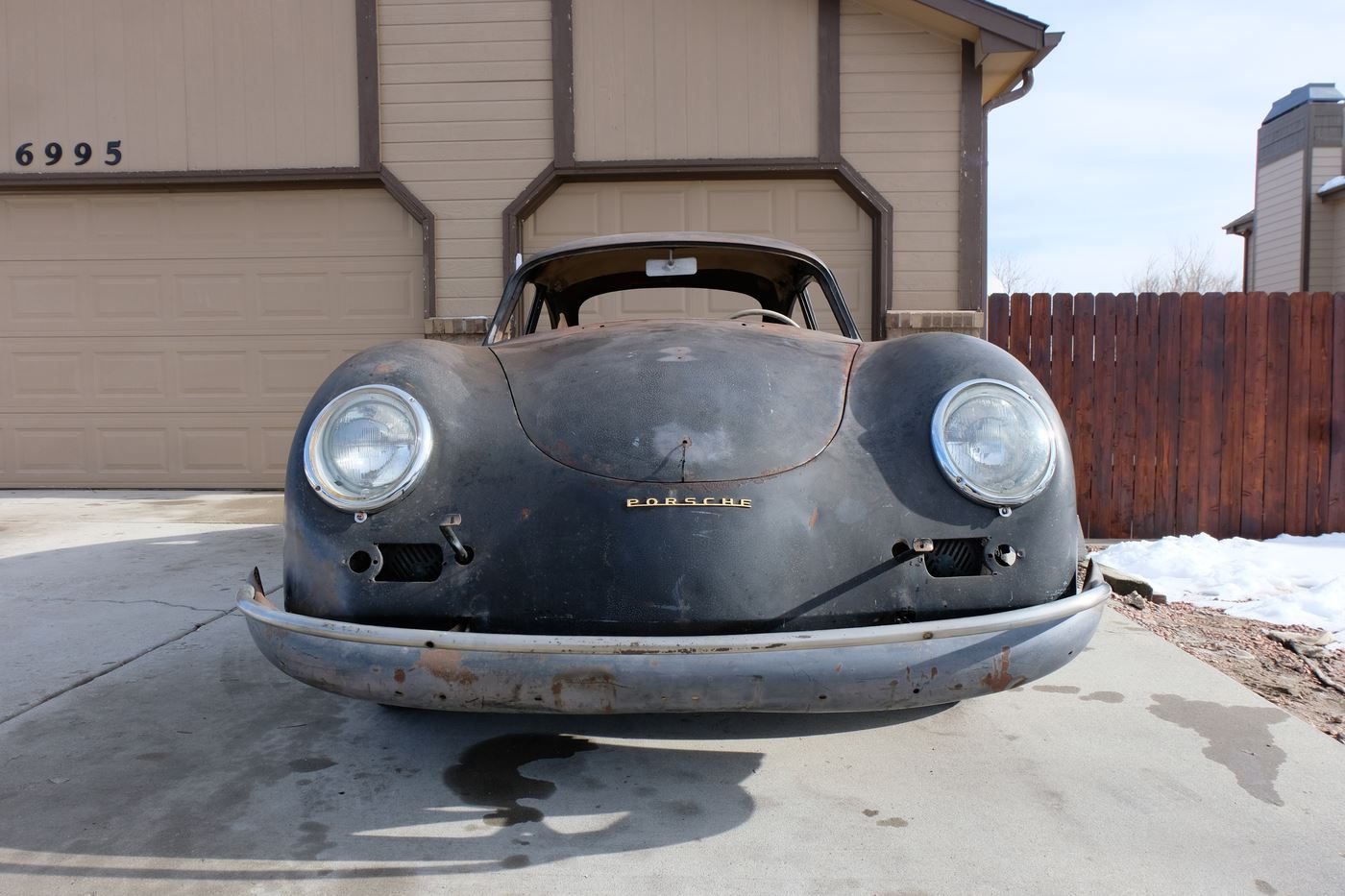
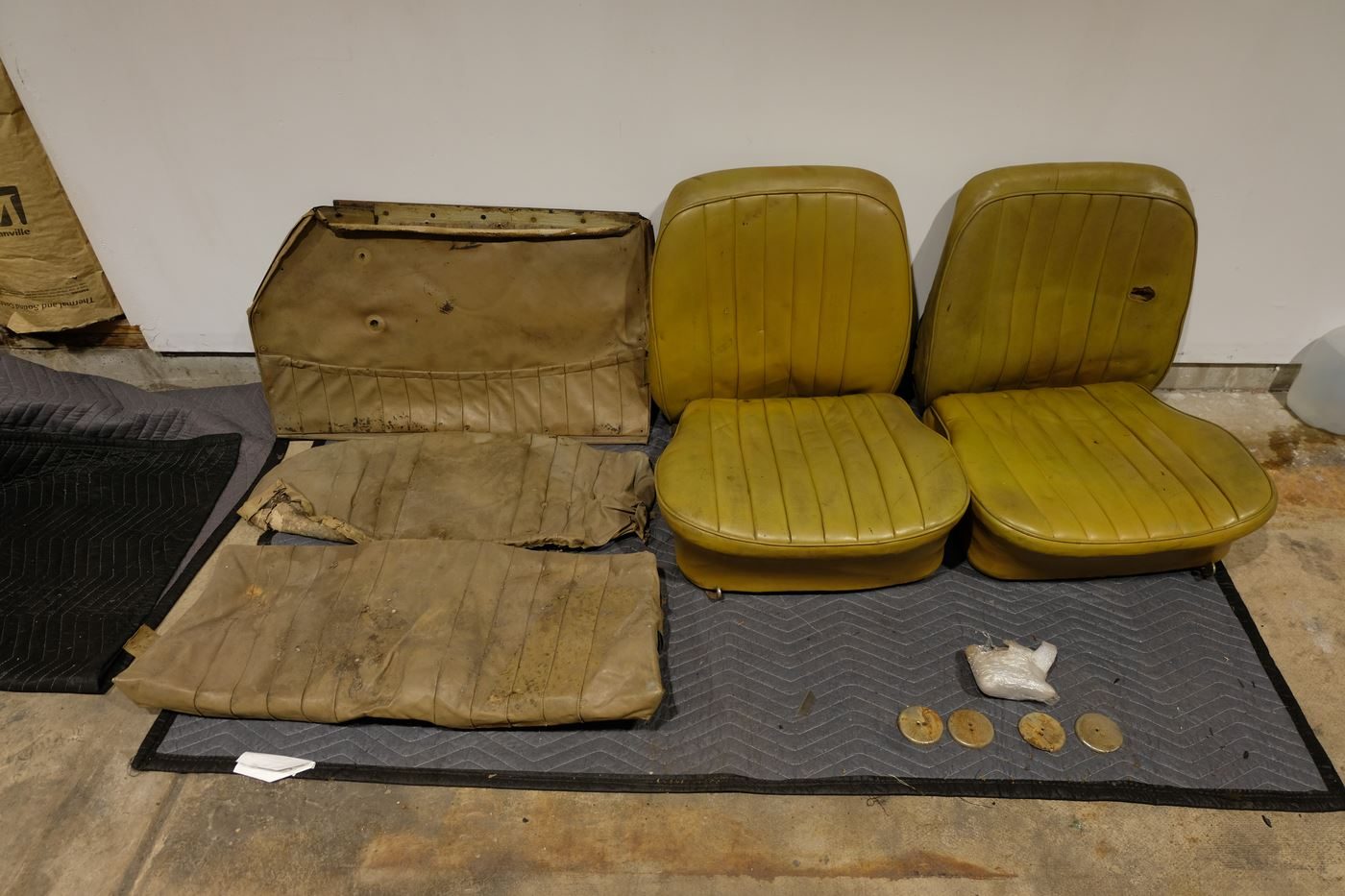
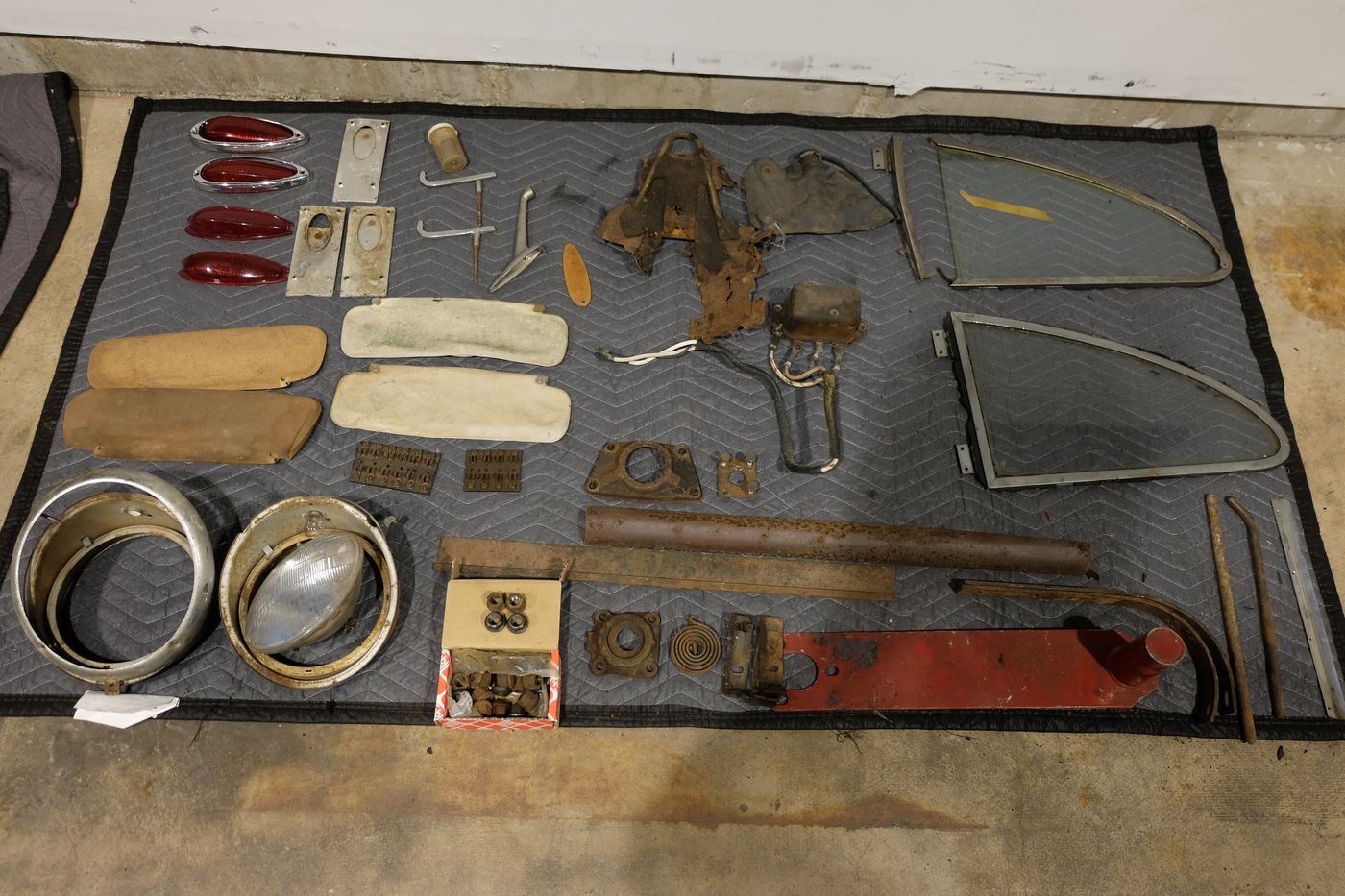
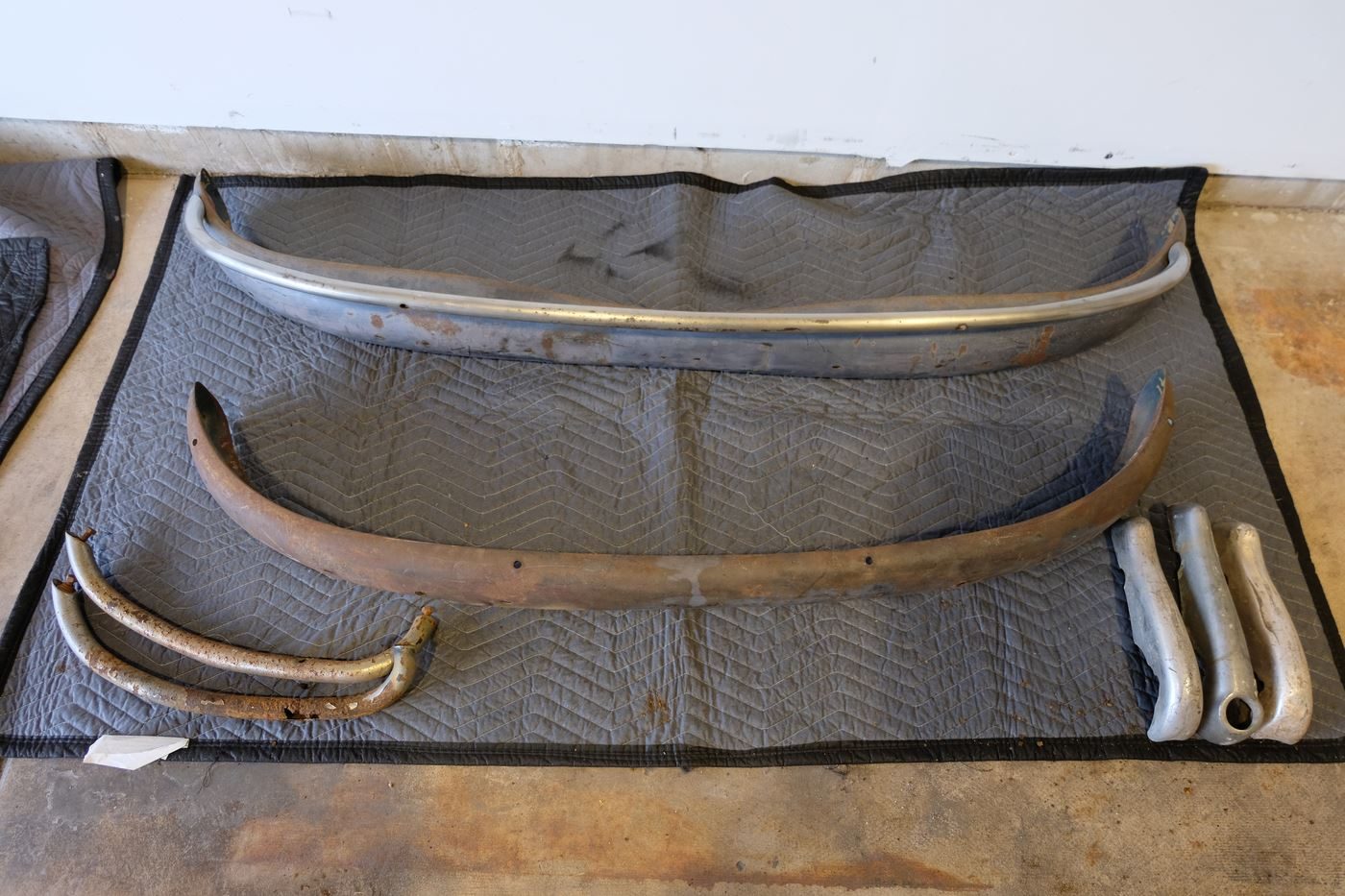
The grandfather was, by the family's account, a tough man to love but an honest one. Going through his things after his death, the family found boxes of new parts for the car that he'd never opened, and 356 Registry magazines stacked around the shop — some read, some still sealed. An uncle recalled offering to help work on the car over the years; the grandfather told him, "you aren't worthy of a car like that."
The previous owner visited his grandfather in Needville during a cross-country move in August of the year before he posted the story. Over dinner that first evening, his grandfather told him he wanted him to have the old Porsche. A few days after they left, his grandfather passed away — he'd been the last person to see him alive.
Sorting the estate, he found the 356 in the dark at the back of the shop — and then discovered a second one: a 1958 356A, also Fjord Green, lying on its side at the back of the shop. His grandfather had bought it years earlier as a parts car for the '59, and never explained why it ended up on its side. Kardex records pulled for both cars confirmed the years and the shared Fjord Green. The '59 went home with him, and he started working on it.
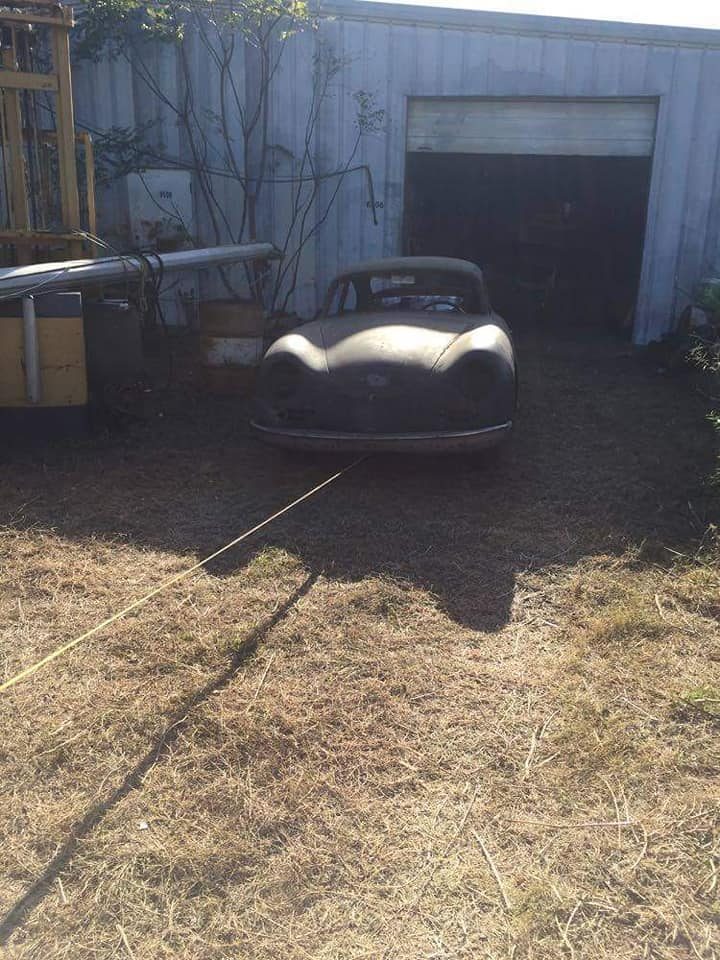
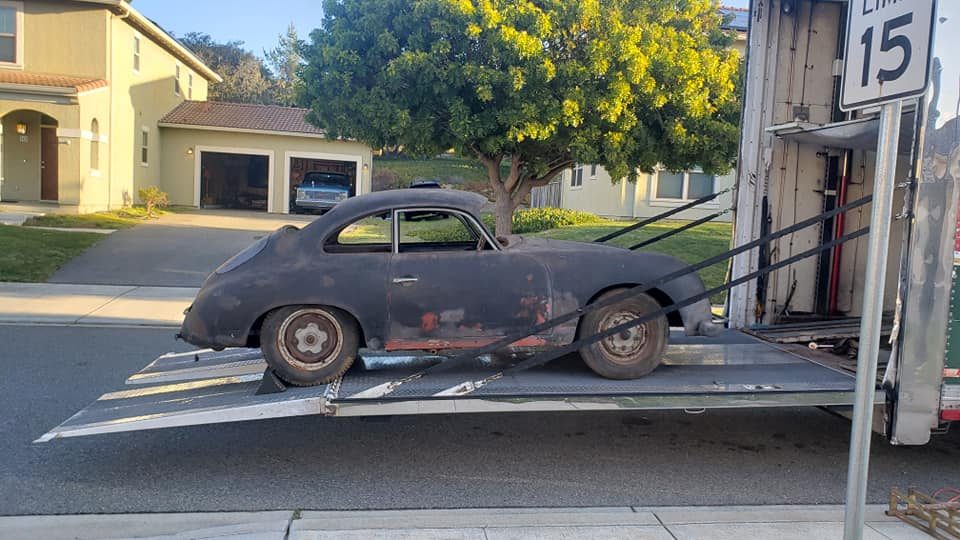
One surprise from that purchase itself: the transaction ran through KeySavvy, a service built specifically for buying and selling cars privately and safely — it verifies the seller's identity and title, protects payment until pickup, and handles the DMV paperwork, which matters a lot on an out-of-state private sale like this one. Rusty was impressed enough to reach out directly to KeySavvy's founder and CEO, Andrew Crowell, on LinkedIn — the two traded several messages about the experience.
Philosophy — preservation + repair + restrained modernization
The unusual value of this car is not simply that it is an early Porsche — it is the degree to which the original object survived. Original engine, original transmission, stamped factory panels, evidence of the original Fjord Green under black spray paint, the original seats. The project is an exercise in preserving continuity, not creating a visually perfect approximation of a 1959 Porsche.
- Retain factory metal wherever structurally sound; replace only what genuinely requires it
- No acid dipping, no whole-body media blasting — hand and machine sanding, targeted blasting only where access demands it
- Modern corrosion protection where it won't visibly alter the car: epoxy primer, seam sealer, cavity wax
- No moisture-trapping tar-paper floor treatment — modern inspectable insulation under period-correct carpet
- Built to be driven, not too precious to enjoy
Progress — where the build stands
1–2 · Discovery & planning
Matching drivetrain confirmed, Fjord Green documented under the black paint, restoration shop selected, phased plan set.
3 · Structural metal
Floor pans and battery box replaced with Sierra Madre panels, tar boards out (minimal hidden rust found), new metal prepped for protection.
4 · Body preparation
Black paint removal, door seam and wax preparation, panel fit, paint booth prep sessions done. Original-paint-vs-repaint decision lands here.
5 · Paint — Fjord Green
Period-correct finish; cavities and hidden seams protected.
6–7 · Electrical & mechanical
6V system restoration with the original harness retained and serviced, instruments back from concours restoration, full brake rebuild, suspension bushings, engine assessment. The engine already runs; carburetors are rebuilt.
8–9 · Reassembly & road return
Glass, seals, interior, wheels — then testing, alignment, break-in, and regular use.
Open decisions — with the reasoning
Every significant decision gets documented with its trade-offs, whichever way it goes. These are the live ones:
Production steel wheels vs. custom aluminum
The question is whether reduced unsprung mass — better suspension response, marginally sharper steering — justifies moving away from period-correct steel wheels.
Interior: factory beige leatherette, or a darker interpretation
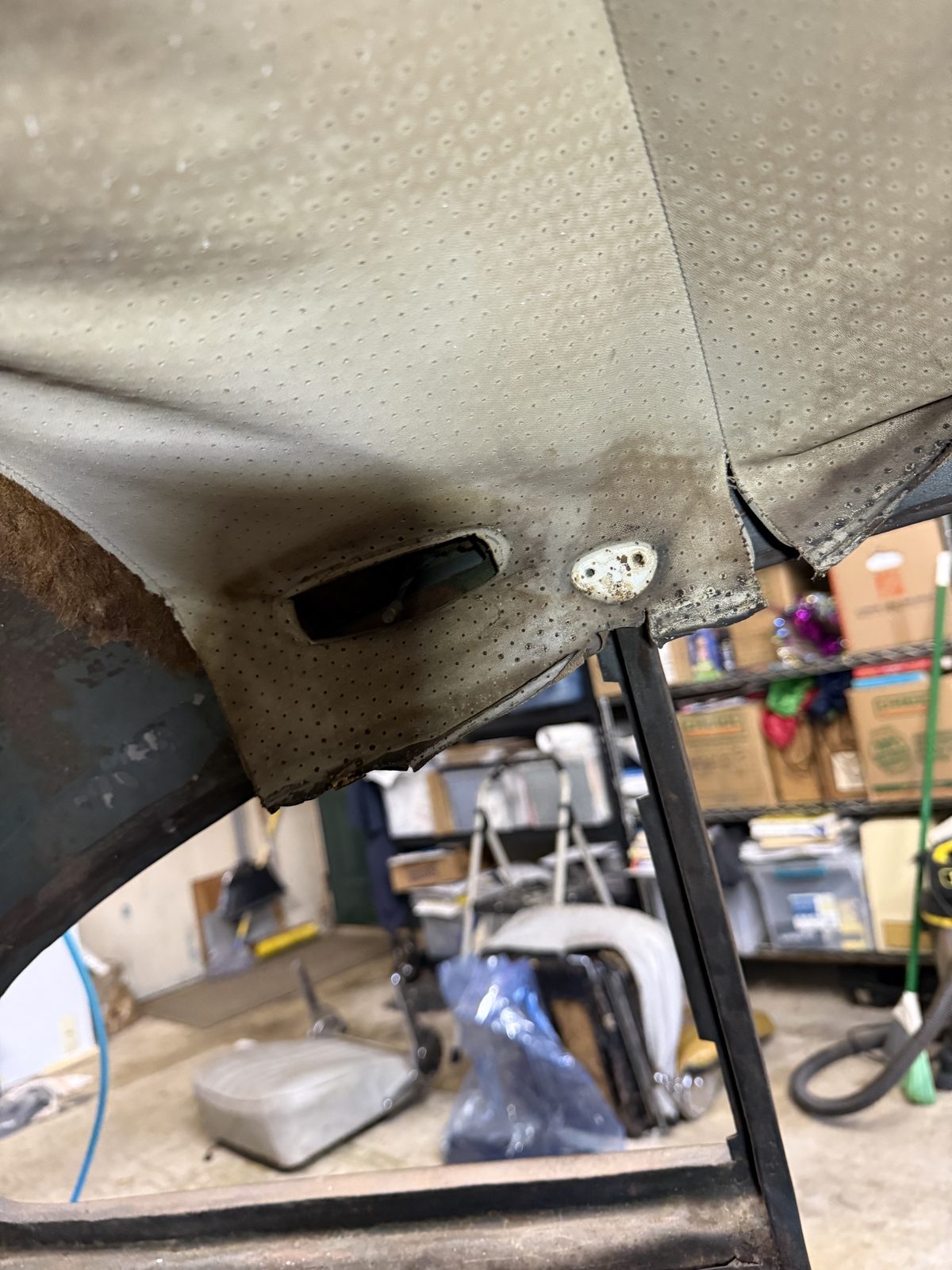
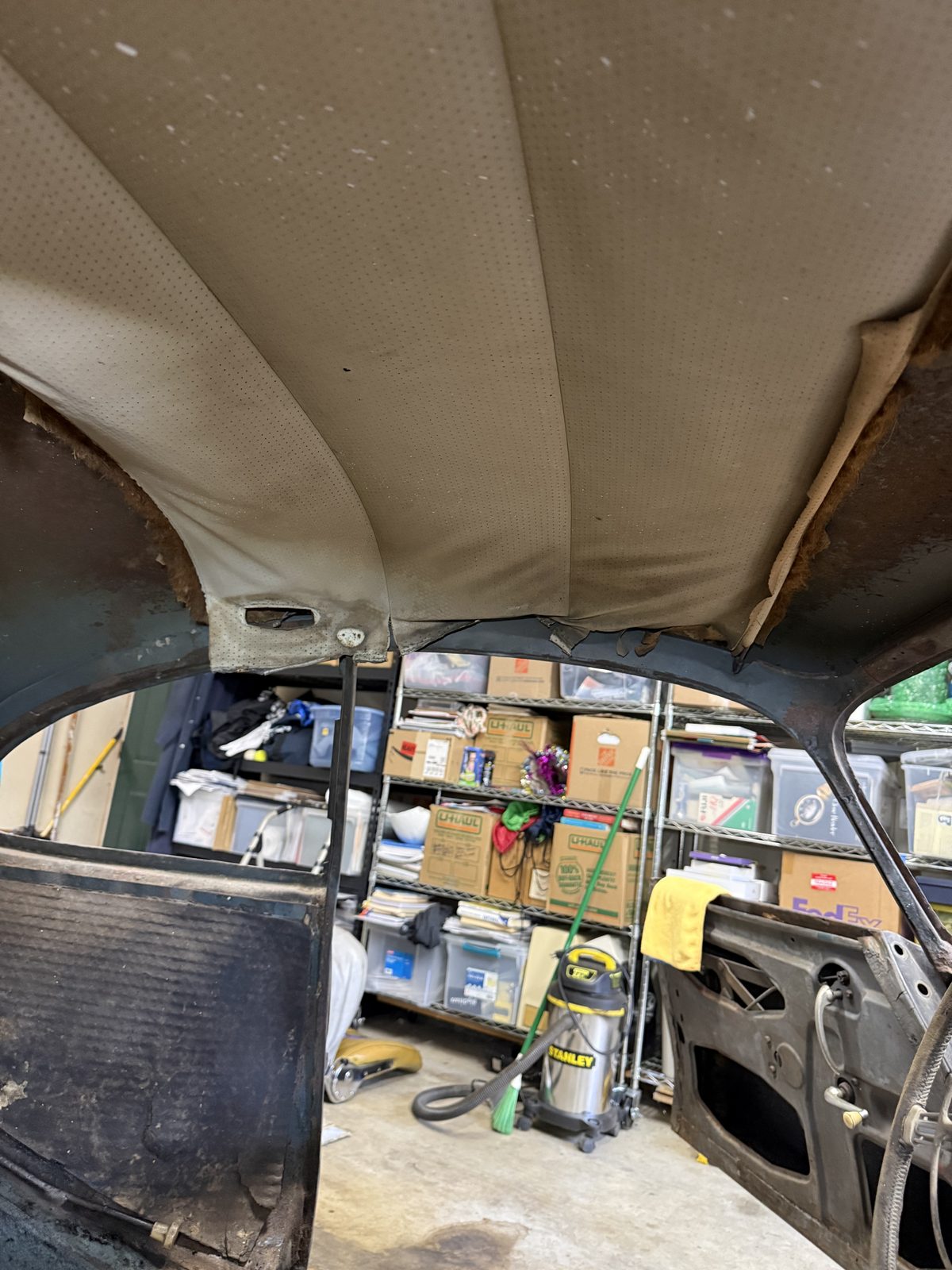
The Kardex says Kunstleder beige — leatherette, not leather. Strict factory correctness is the most historically faithful direction; darker leather and Speedster-seat variants remain explorations.
Original harness vs. new 6-volt harness — the original stays
The earlier lean was toward a quality replacement harness: the headlight wiring is cut and brittle, and reinstalling seventy-year-old wiring is hard to justify on paper. Removing the instruments changed the picture. With the dash open, servicing the original became tractable — every connector inspected, cleaned, mechanically polished, treated with DeoxIT, given a light coat of dielectric grease, and reassembled. On a 6-volt car the failure mode that actually matters is voltage drop at corroded joints, and that is exactly what connector servicing addresses. Brittle sections get repaired individually rather than triggering wholesale replacement. Revisit if inspection finds degraded insulation over a meaningful length.
Surviving original Fjord Green vs. complete repaint
The preservation path — expose the original paint and accept patina — was seriously explored. As metalwork expanded, a full period-correct repaint became the likely direction. What was found under the black paint will be documented either way.
What the site will document as work proceeds
Engine and transmission numbers with photographs of stampings, compression or leak-down results, the full brake system rebuild, glass and seal selection, the final paint system and Fjord Green formula, and a build ledger of costs, suppliers, and dates.